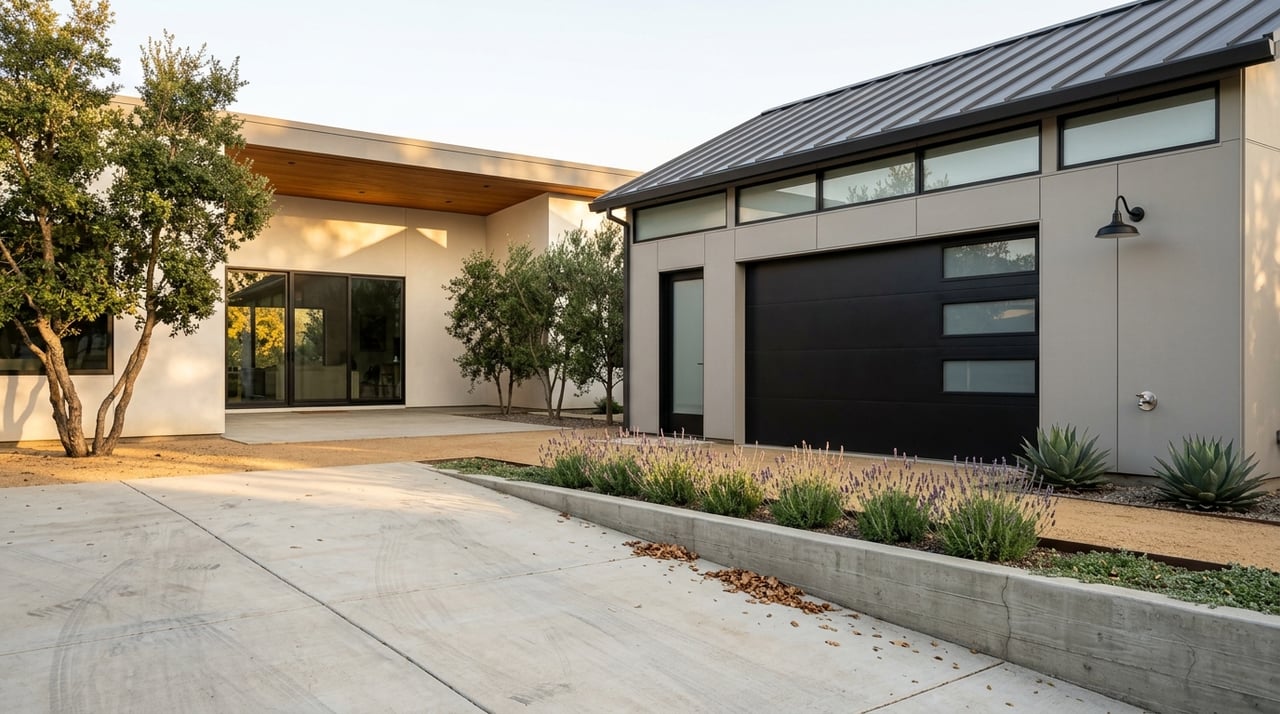
Looking for a home where your hobbies actually fit your life? In Somis, that question comes up often because many properties offer the kind of extra space that is hard to find in more urban neighborhoods. If you are drawn to oversized garages, barns, or dedicated workshop buildings, it helps to understand what these spaces can do, what they cannot do, and how to evaluate them with confidence. Let’s dive in.
Why Somis Homes Appeal to Hobby Buyers
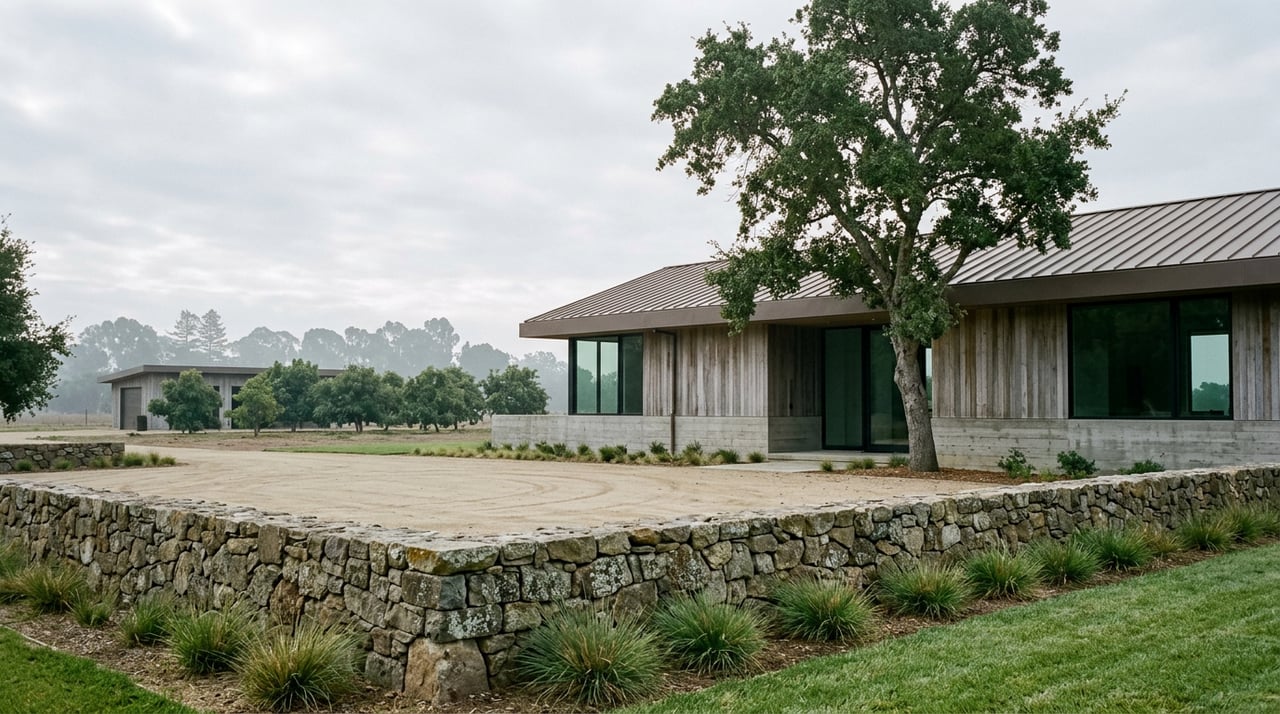
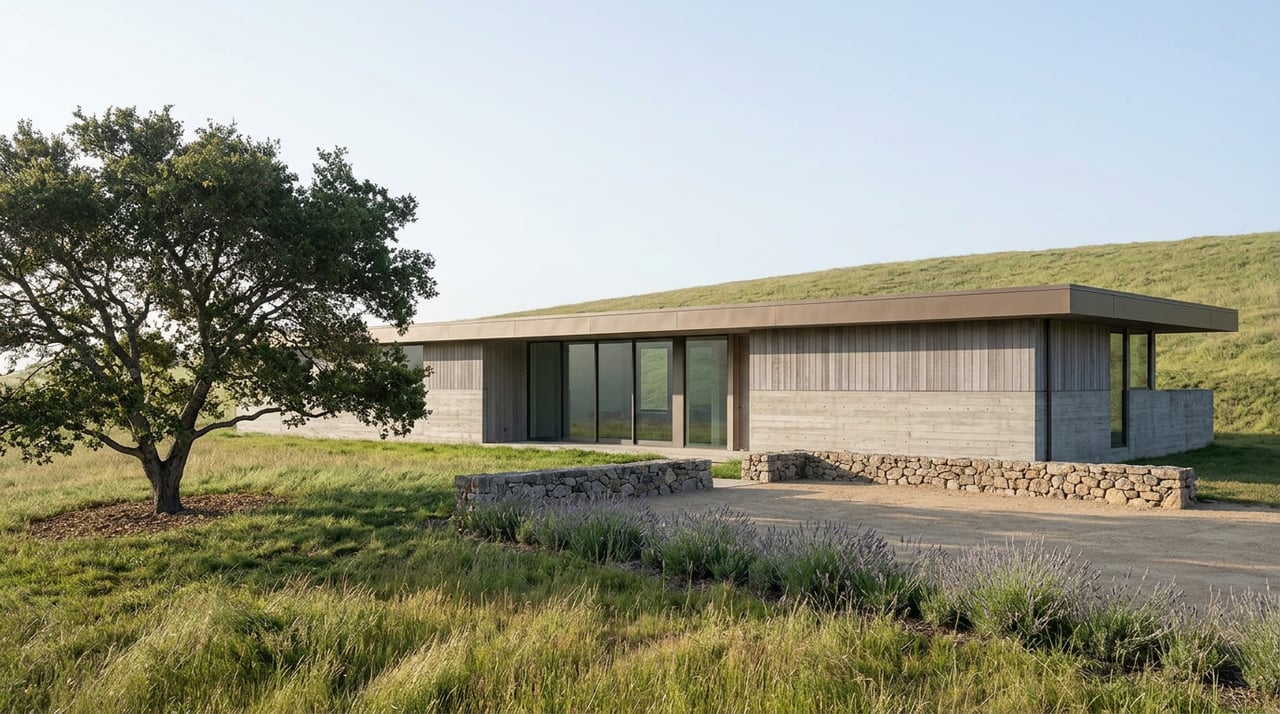
Somis is an unincorporated Ventura County community just north of Camarillo, and county materials describe it as primarily agricultural with numerous estates and ranches. That rural setting helps explain why buyers are often drawn to homes with large accessory structures.
For many buyers, these spaces support the way they actually live. You may want room for classic cars, woodworking, tools, equipment, storage, or hands-on projects that need more than a standard two-car garage. In Somis, those needs often match the layout of the property.
That said, the value of a hobby garage or workshop is not just about square footage. In Ventura County, the legal use of the space matters just as much as the size, condition, and flexibility of the building.
What Counts as a Workshop in Somis
In Somis, a workshop property can mean several different things. It may be a detached garage, a barn, a storage building, or another accessory structure located on a residential or agricultural parcel.
Ventura County treats storage, workspace, and living space as separate categories. That distinction is important because a building that works well for projects or equipment may not be approved for the same uses as habitable living area.
If you are shopping for a property with extra structures, it helps to ask a simple question early: What is this building legally permitted to be? That answer shapes what you can realistically do with the property.
Parcel Zoning Comes First
In unincorporated Ventura County, zoning is parcel-specific. The county directs owners and buyers to verify zoning by APN through its zoning lookup system, rather than assuming nearby properties follow the same rules.
This is one of the biggest reasons workshop properties require careful review. Two homes in the same general area may look similar, but the permitted uses for accessory buildings can differ based on the parcel’s zoning and site conditions.
For buyers, that means the best first step is always property-specific due diligence. For sellers, it means clear documentation can make the home easier for buyers to understand and trust.
Garages and Accessory Buildings Have Rules
Detached accessory structures that are not used for human habitation may be allowed as close as three feet from interior and rear lot lines in many situations under Ventura County setback rules. The code also says they may not occupy more than 40% of the rear setback area.
The county also requires garages and carports to preserve at least 20 linear feet of driveway apron from the street. That may sound technical, but it matters when you are evaluating access, parking, and how functional the space really is for vehicles or equipment.
In practical terms, a large garage may look ideal on paper, but placement on the lot still matters. Access, maneuvering room, and compliance all affect day-to-day usefulness.
Workshop Space Is Not the Same as Living Space
This is where many buyers need the most clarity. Ventura County says that a structure intended for accessory use may not be used for human habitation, except in limited cases such as an accessory dwelling unit, a temporary building during construction, or a farmworker dwelling unit.
The county does recognize some habitable accessory structures above or beside a garage, including spaces like artists’ studios, workshops, and workout rooms. But those are not dwelling units, and they may not include baths or kitchens.
That means you should be careful with listings or conversations that casually describe a barn, garage apartment, or workshop as “guest space” or “living quarters” without clear permit support. If your goal is actual residential use, you will want to confirm whether the structure qualifies as a permitted ADU or another allowed dwelling category.
Can an Existing Garage Become an ADU?
In some cases, yes. Ventura County states that an ADU may be created inside an existing accessory structure, and those rules are handled through the building permit process.
Still, you should not assume every detached garage or workshop can be converted easily. The fact that a structure exists does not automatically mean it meets the standards for a lawful ADU or that the parcel is suited for the change without additional review.
If ADU potential is part of your buying decision, verify it directly through the county’s permitting path before you make plans around it. That step can save time, money, and disappointment.
Can You Run a Home Business from a Workshop?
Sometimes, but the rules are narrower than many buyers expect. Ventura County allows home occupations only within specific limits.
The work must be performed by household members, cannot take space needed for parking or setbacks, and is limited to one commercial vehicle per dwelling unit. The activity also must not be evident outside the property.
If clients come to the property, the county sets weekday hours and limits visits to six clients per day. The code also restricts hazardous-material use, which may affect certain workshop-based activities.
For a true business use in unincorporated Ventura County, the county says a Business Tax Certificate is required, and planning, zoning, and building approvals are the minimum starting point. Depending on the activity, additional department review may apply.
Rural Utility and Permit Review Matter
Because Somis is rural and unincorporated, county systems play a larger role than city departments would in an incorporated area. Somis and surrounding rural areas are served by Ventura County Waterworks District No. 19 for potable retail water.
For some properties, Environmental Health may also matter because the county regulates individual sewage disposal systems. This becomes especially important when you are thinking about changing how a structure is used.
In other words, a workshop property is not just about the building itself. Water, wastewater, permitting, and site conditions can all shape what is feasible.
Why Permitted Workshop Space Matters for Value
From a real estate perspective, extra space tends to be most appealing when buyers can clearly understand what it is and how they can use it. In Somis, that often means permitted, functional, flexible workshop or garage space stands out.
Ventura County draws clear lines between storage buildings, non-habitable accessory structures, habitable accessory spaces, and ADUs. Because of that, unpermitted conversions or unclear claims about living space can create appraisal, lender, and closing complications.
For sellers, clarity supports confidence. For buyers, documentation reduces surprises. In both cases, the more straightforward the use of the space, the broader the likely buyer appeal.
Smart Questions to Ask Before You Buy
When you tour a Somis home with a hobby garage or workshop, try to look beyond the visual appeal. A beautiful barn or oversized garage is exciting, but the practical questions are what protect your investment.
Start with these:
- What is the parcel zoning by APN?
- What permits exist for the garage, barn, or workshop?
- Is the structure approved only for storage or non-habitable accessory use?
- Has anyone represented the space as living area, and if so, is that supported by permits?
- If you want business use, what county approvals would apply?
- Do water, wastewater, fire, or Environmental Health reviews affect future plans?
These questions help you separate true opportunity from expensive assumptions. In a market like Somis, that is one of the smartest ways to buy with confidence.
What Sellers Should Do Before Listing
If you own a Somis property with a garage, barn, or workshop, preparation matters. Buyers are often excited by these features, but they also want clear answers.
Before listing, gather any permits, records, and details about how the structure has been used. If the space has special utility features, vehicle access advantages, or flexibility for hobby use, those points can be highlighted more effectively when they are presented clearly and accurately.
This is also where thoughtful marketing helps. A well-positioned Somis property should show not only that the extra space exists, but also why it is useful, functional, and easy for buyers to understand.
If you are buying or selling a Somis home with a hobby garage, barn, or workshop, local guidance makes a difference. The right property can offer flexibility, function, and long-term appeal, but only when the details are understood from the start. For help evaluating a property or preparing one for market, connect with Puckett Real Estate Team.
FAQs
Can you live in a barn or garage in Somis?
- Usually not if it is only an accessory structure. Ventura County says accessory-use structures may not be used for human habitation unless they qualify under an allowed category such as a permitted ADU, a temporary building during construction, or a farmworker dwelling unit.
Can a Somis workshop be used for a home business?
- Sometimes, but Ventura County limits home occupations. The work must be done by household members, cannot take required parking or setback space, and may need business tax, planning, or building approvals depending on the activity.
Does workshop space add value to a Somis home?
- It often can when the space is permitted, functional, and easy for buyers to understand. Clear legal use and good utility make the property easier to market and easier for buyers to evaluate.
Do Somis properties need county permit checks?
- Yes. Somis is in unincorporated Ventura County, so buyers should verify zoning by APN, review permit history, and check whether water, wastewater, fire, or other county reviews affect the property.
Can an existing detached garage become an ADU in Somis?
- In some cases, yes. Ventura County allows ADUs to be created inside existing accessory structures through the building permit process, but you should verify parcel-specific requirements before relying on that possibility.