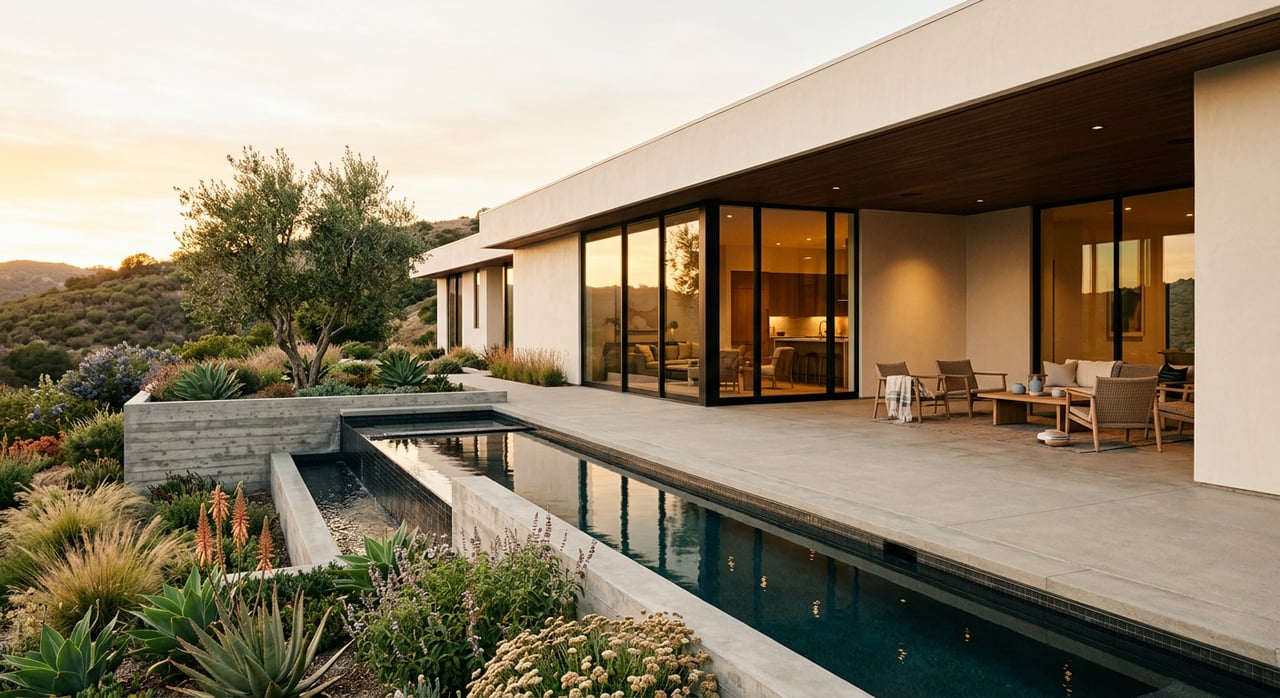
If you have a home with sweeping valley, mountain, or Channel Islands vistas in Camarillo Heights, you already hold something special. Selling it well takes more than a fresh coat of paint. You need to protect value on the hillside, answer post‑fire questions with confidence, and present the view so buyers feel it from the first click. This guide walks you through the steps that matter most in Camarillo Heights, from safety and inspections to photo strategy and pricing. Let’s dive in.
Camarillo Heights context and buyer expectations
Camarillo Heights is a hillside area of older, custom and mid‑century homes, with many parcels located in unincorporated Ventura County. The county’s housing element documents identify Camarillo Heights and nearby Las Posas Estates as unincorporated communities, which can influence permitting and services for some properties. You should confirm your property’s jurisdiction and service details early in the process. For background on the area’s status, review the county housing element information on unincorporated communities from the California Department of Housing and Community Development.
The November 2024 Mountain Fire impacted parts of Camarillo Heights and raised buyer attention on fire history, defensible space, and insurance. Expect questions about past damage, repairs, and documentation of any work completed since the fire. Local coverage has detailed the scope and community impact, which means buyers will likely arrive informed and cautious.
Ventura County has also updated local Fire Hazard Severity Zone designations. If your parcel sits inside a mapped zone, that status will appear in Natural Hazard Disclosures and may trigger defensible space or construction requirements. Before listing, confirm your property’s current designation with county resources so you can disclose accurately and prepare for buyer and lender questions.
Finally, remember that city‑wide median prices do not capture the premium many view homes command. Recent market snapshots for Camarillo have hovered around the mid‑$800,000s depending on source and timing, but hillside and view properties trade on different terms. Anchor your pricing to Camarillo Heights comps, slope characteristics, and documented view quality rather than city averages.
Prioritize site safety and hillside basics
Retaining walls and slopes
Start by reviewing every retaining wall, terrace, and slope feature. Note visible cracks, tilt, weep holes, and any drainage behind walls. If a wall supports the home, garage, or driveway, obtain a structural or engineering evaluation and gather any permits or certifications. Undocumented or failing walls are a top concern for buyers, appraisers, and lenders.
A pre‑listing inspection can help you identify items to fix or disclose. Attend the inspection, ask questions, and request a detailed report so you can remedy obvious safety issues and provide clear documentation to buyers.
Drainage and grading
Water that runs toward foundations or retaining walls can cause hidden damage on slopes. Make sure gutters and downspouts are clear and discharge away from structures. Check that surface drainage moves water safely downhill and away from walls. If you make corrections, keep photos and invoices to show buyers the work was done right.
Driveway, access, and parking
Hillside driveways can be steep or narrow, and that affects daily living and emergency access. Repair visible cracks, trip hazards, handrails, and steps. If your drive has a notable grade or turning radius, be ready with clear notes on parking locations and access so buyers and appraisers have the right expectations from the start.
Defensible space and curb appeal
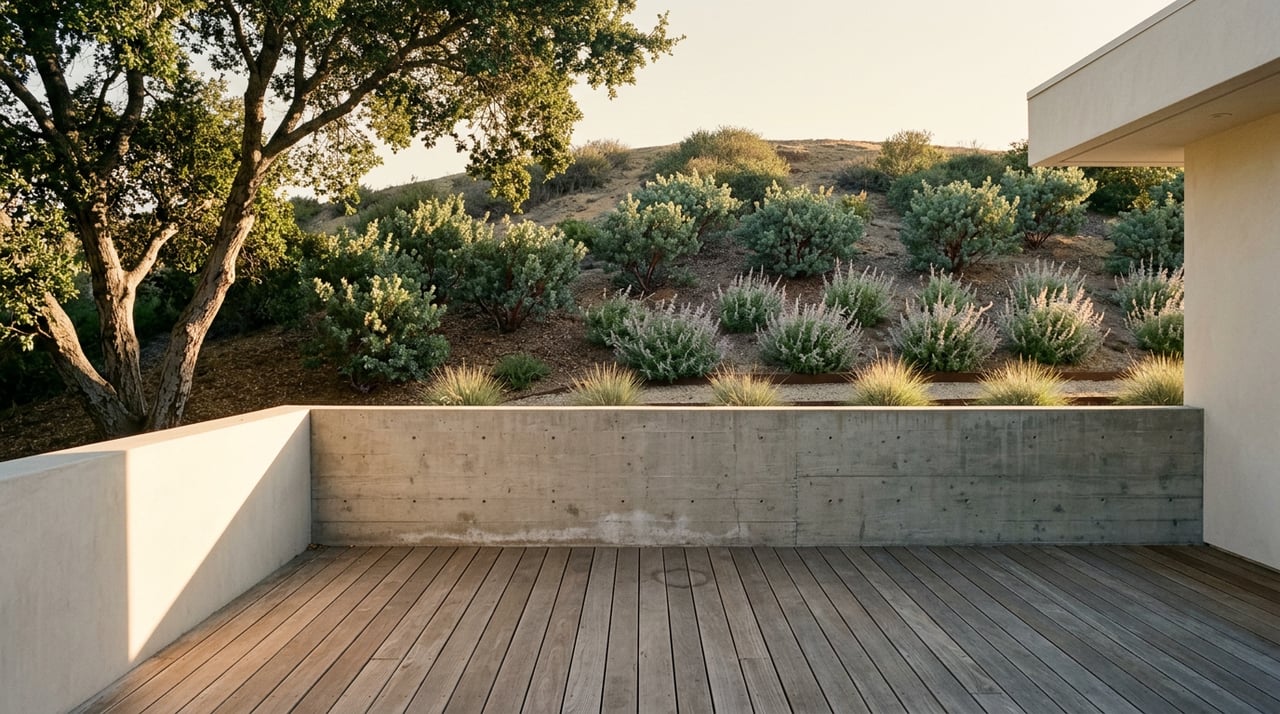
Create a landscape plan that both protects your home and frames the view. Use defensible space concepts for Zones 0, 1, and 2 to reduce ember exposure near structures. Hardscaping close to the house, like gravel bands or stone patios, improves both fire resilience and the way your view reads in photos. Choose drought tolerant, lower‑flammability species and keep plants pruned and separated to reduce ladder fuels. Document your work and any guidance received from local fire officials.
Septic and utilities
Many hillside parcels in the Camarillo Heights and Las Posas area use private onsite wastewater systems. Confirm sewer versus septic early, and if septic, schedule a system inspection and gather pump, maintenance, and permit records. County Environmental Health rules apply to onsite systems, and condition or capacity can become a negotiation point in escrow.
Inspections, permits, and bulletproof disclosures
Core pre‑listing inspections
Order a full pre‑listing home inspection to get in front of repair requests. In Southern California, a wood‑destroying insect inspection is also standard and often drives negotiations. If your roof is older, consider securing a roof certification or provide recent reroof documentation. Addressing key items now reduces surprises later.
If your property is on septic, complete the inspection and permit review before going live. Having a current report, pump receipt, and any required county documents provides confidence and helps keep escrow on track.
Structural or specialist reviews
When there are tall retaining walls, signs of slope movement, or recent grading, ask a qualified professional for a structural or geotechnical opinion. Lenders and appraisers often request engineer letters for hillside properties. Getting ahead of this shows buyers you have nothing to hide and can support your price.
Older custom homes can also have legacy electrical issues. If you know of older panels or outdated wiring, disclose it and consider a pre‑list evaluation so buyers understand the scope.
Permits, zoning, and unpermitted work
Gather permits for additions, remodels, decks, major systems, and any slope or wall work. Unpermitted improvements are a common friction point on hillside homes. If you have unpermitted elements, document any steps you have taken to remediate or to pursue after‑the‑fact permits so buyers and underwriters can assess risk with facts.
TDS, NHD, and fire‑hazard mapping
In California, sellers complete the Transfer Disclosure Statement and provide a Natural Hazard Disclosure. Because parts of Camarillo Heights are mapped in fire‑hazard zones, accurate NHD results and any related county or fire department notices are essential. Keep your inspection files organized to support what you disclose and to answer follow‑up questions with ease.
Post‑fire documentation buyers ask for
If your property or nearby parcels were affected by the Mountain Fire, gather permits, repair invoices, and any insurance correspondence. Be ready to discuss the scope of work, contractors used, and any home‑hardening or defensible space upgrades you completed. Clear documentation can help stabilize value and reduce time in escrow.
Make the view the star in marketing
Photography and staging that sell the view
Clean every window and repair or remove damaged screens. Stage seating to face the primary vistas in living rooms, dining spaces, and on patios. Hire a professional photographer for interior and exterior images, plus a measured floor plan. Twilight sessions can be effective for coastal or mountain panoramas, as long as the images accurately represent the property and its surroundings.
Present the view from multiple angles. Show it from key interior rooms, the main outdoor areas at different times of day, and a context shot that situates the home in the landscape. This helps buyers understand how the view lives, not just how it looks.
Drone and aerials: do it right
Aerials can clarify setting and sightlines on hillside lots. If you use drone imagery, hire a Part 107 certified operator who follows FAA rules and carries insurance. Operators should check local airspace and obtain any required authorizations. Proper compliance protects you from avoidable headaches and potential fines.
Photo accuracy and ethics
Never alter images in a way that misleads buyers, such as removing permanent obstructions or simulating views that do not exist. If you use virtual staging or AI‑assisted edits, label them clearly. Staying transparent builds trust and supports a smoother appraisal.
Virtual tours and 3D walkthroughs
Remote and out‑of‑area buyers are common for unique view homes. Provide a 3D tour and a well‑produced video that highlights the view from inside and out. Include concise notes about practical features like driveway grade, septic, and power so serious buyers can pre‑qualify themselves before touring in person.
Price strategy for a one‑of‑a‑kind view
Understand the view premium
Views add value, but the size of the premium varies widely by quality, privacy, and buyer demand. City averages rarely capture it. Treat your view as an amenity you must document and defend with evidence. High‑impact photography, clear floor plans, and inspection files help substantiate a premium.
How appraisers quantify views
Appraisers prefer paired‑sales analysis that compares similar homes with and without views to derive a local adjustment. If strong paired comps exist in Camarillo Heights, they support a more predictable pricing range. When the property is highly unique, a pre‑listing appraisal or a comp analysis focused on slope, lot type, and view quality can reduce friction later.
Practical pricing steps
- Build a comp set that excludes flatland and radically different lots.
- Identify recent sales with similar slope, privacy, and view corridors.
- Adjust for documented differences like septic, unpermitted work, roof age, or post‑fire upgrades.
- If the view is panoramic and private, a premium may be supportable, especially with strong documentation.
Account for wildfire and hazard designations
Fire history and mapped hazard zones can narrow the buyer pool due to insurance or lending concerns. That may slow absorption or temper premiums compared with non‑hazard comps. On the upside, homes that are professionally repaired, hardened, and well documented often perform better in a post‑fire market because they reduce buyer uncertainty.
Quick pre‑listing checklist
- Safety and legal: confirm title and permits, complete TDS and NHD, and gather any fire‑related repair documentation.
- Structure and systems: schedule a full home inspection, termite report, and roof certification. If applicable, add a septic inspection and obtain records.
- Hillside/site: review retaining walls, drainage, and driveway safety. Address visible erosion or water management concerns.
- Fire and landscape: create defensible space, remove ember fuels within accepted zones, and photograph before and after.
- Presentation: clean windows, stage to face the view, hire a pro photographer, and use 3D tours. If using aerials, confirm FAA compliance.
- Pricing: focus on Camarillo Heights comps and view quality. Consider a pre‑listing appraisal if the home is truly unique.
Your next step
Selling a view home in Camarillo Heights is part art, part evidence. When you pair smart prep and clear documentation with curated marketing, you give buyers confidence and protect your price. If you want a local plan tailored to your lot, slope, and view, reach out to the Puckett Real Estate Team for a strategy session and a complimentary valuation.
FAQs
What makes Camarillo Heights different for sellers?
- It is a hillside area with many unincorporated parcels, which can affect permits, utilities, and fire‑hazard rules. Expect extra scrutiny on slopes, retaining walls, and defensible space.
How should I prepare a hillside septic property before listing?
- Confirm sewer versus septic, schedule a septic inspection, and gather pump, maintenance, and permit records. Clear documentation reduces escrow delays and buyer risk concerns.
Do I need a drone to market my view home?
- Not always. Strong interior and exterior photography that shows how rooms relate to the view can be enough. If you use aerials, hire a Part 107 certified pilot who follows FAA rules.
How do appraisers value a view in Camarillo Heights?
- They try to use paired‑sales of similar homes with and without views, then make supported adjustments. Unique homes may benefit from a pre‑listing appraisal to set expectations.
How does fire history affect my sale?
- Buyers and lenders ask more questions about insurance, hardening, and repairs. Clear defensible space, repair records, and accurate NHD disclosures help maintain value and speed.
What inspections are most important before listing?
- A full home inspection, termite report, and roof certification are core. Add septic, structural, or electrical evaluations as needed based on your property’s age, slope, and systems.