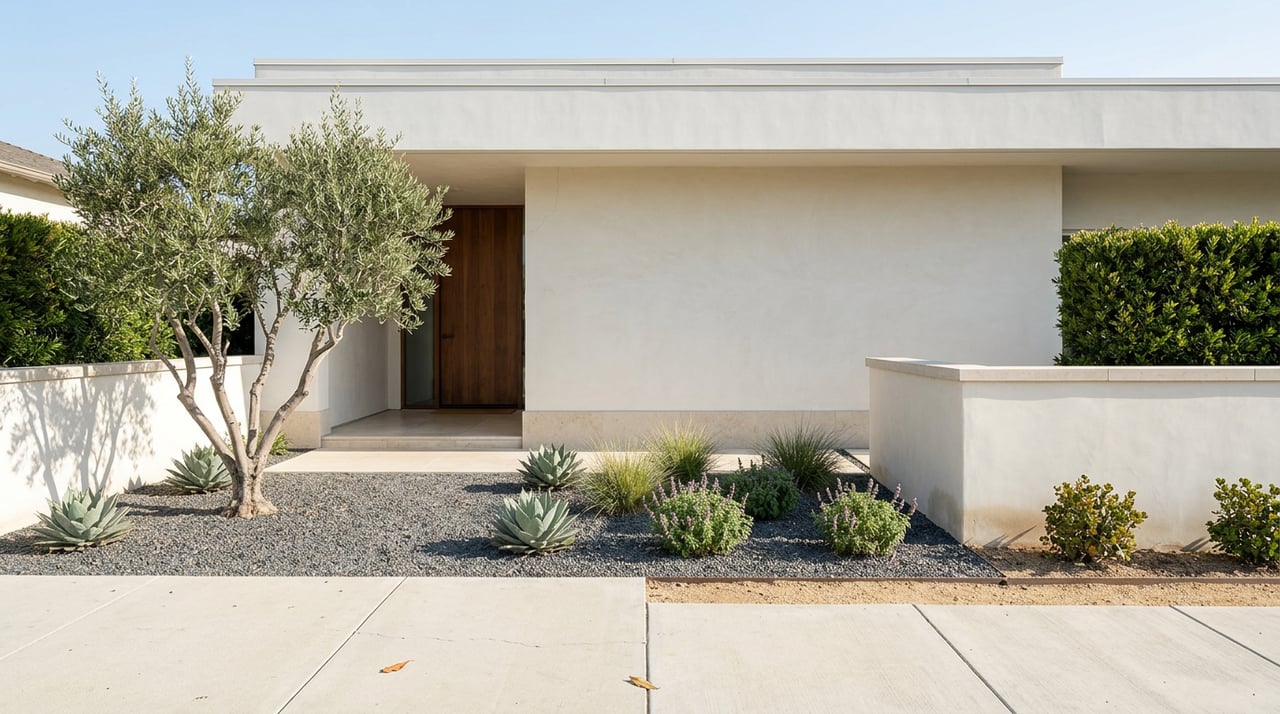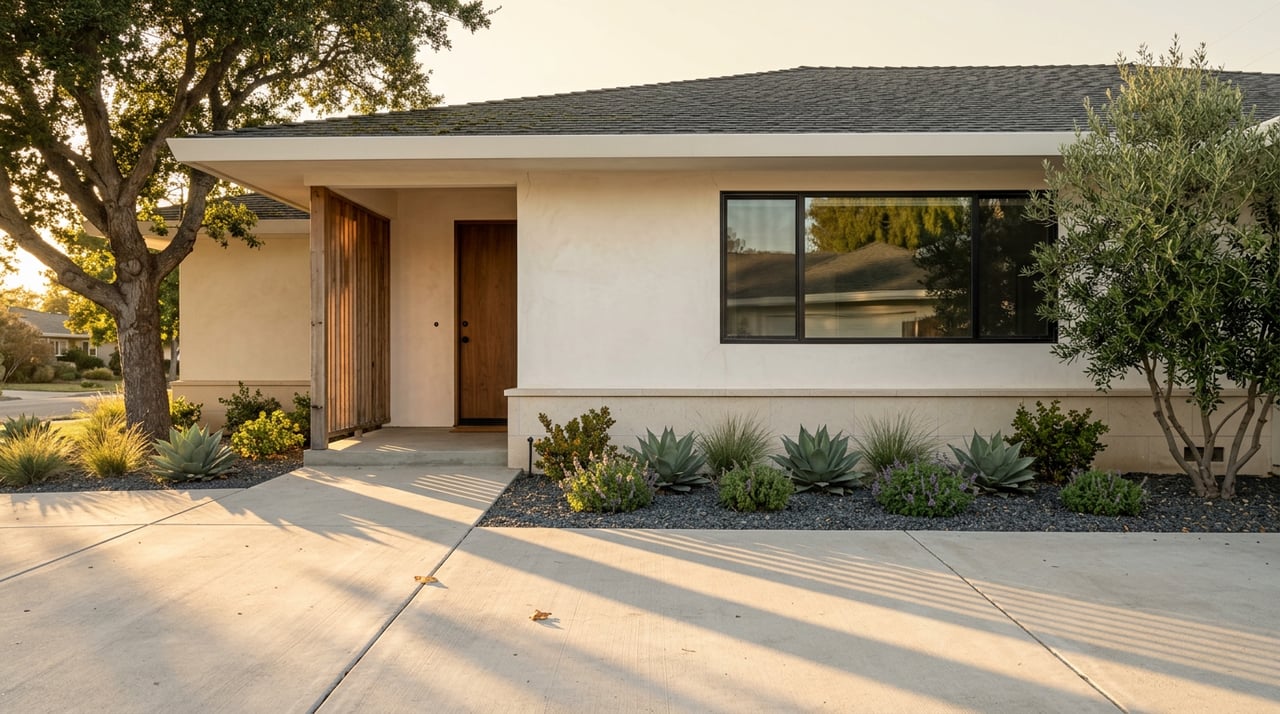
Somis sits almost entirely in unincorporated Ventura County, and that single fact does more to explain the neighborhood's transaction pace than any price chart. The median home price runs in the $1.6M to $2.1M band with 60 to 80-plus days on market as of mid-2026, well above the pace of a Camarillo city sale. The instinct is to blame the price tier. The evidence points somewhere else.
Every Somis parcel carries an extra diligence stack that city buyers never see. Three items sit inside it, and each one has the power to reset a signed offer three weeks into escrow. If you are listing a home here, or writing an offer on one, these are the items that decide whether your timeline holds.
The Three Items, In The Order They Blow Up A Timeline
- The OWTS (septic) certification pathway for the home's onsite wastewater treatment system
- The water source question — private well, Ventura County Waterworks District No. 19, a shared well arrangement, or some combination
- The Williamson Act contract that may already be recorded against the parcel
None of these appear on the portal listing. All three are Somis-specific in the sense that a Central Camarillo or Mission Oaks resale never touches them.
Septic: The Certification The County Will Not Issue For Your Lender
Buyers new to unincorporated Ventura County often assume the county's Environmental Health Division inspects the septic tank the way a city building department signs off on a permit. It does not. The Division's own FAQ is direct: it does not certify an existing OWTS for the purpose of lender approvals during a real estate transfer, and its Liquid Waste Program staff do not perform OWTS assessments for real estate transfers.
Read that carefully. The county's certification pathway exists, but it is triggered by construction, not by sale. A Full Certification is required when a project adds bedroom equivalents or plumbing fixture units to the existing structure. A Setback Certification covers projects that do not add capacity. A Mini Certification can sometimes be done from as-built records in the county's document-imaged archive without an on-site inspection.
The practical consequence for a Somis seller: your buyer's lender will still ask for a septic report, and no county stamp will satisfy it. That report has to come from a private inspector, ideally with a pump-out and a scaled plot plan that matches the county's file. If the buyer plans to add a bedroom or a second bath after close, they are inheriting a Full Certification obligation that pulls in a Registered Civil Engineer, Registered Environmental Health Specialist, or Professional Geologist to design any modifications. That expense belongs in the offer conversation, not the punch list after inspection.
Two more Somis-specific wrinkles matter here:
- The half-mile rule. If a home requires an alternative OWTS (mound system, subsurface sand filter, supplemental treatment for nitrogen or pathogens) and sits within a half-mile of an available public sewer line, the county requires connection to sewer rather than a new alternative system. On a large Somis lot, that connection cost is real and it is the seller's problem to disclose if it is known.
- CSA 32. Homes on alternative OWTS or commercial/industrial systems fall inside County Service Area 32, a septic monitoring and maintenance district. Buyers assume ongoing costs. Sellers should have the paperwork ready.
The Environmental Health OWTS Inspection Hotline is (805) 477-7136, and appointment windows can run up to two business days. Applications now flow through VC Citizen Access online, which the Division opened for OWTS submittals in July.
Water: Well, District 19, Or Both
The second reset item is the water source, and it does not follow lot lines the way buyers expect.
Some Somis parcels are served by Ventura County Waterworks District No. 19 for domestic water. Others rely on one or more private wells. Many combine both — District water for the house, well water for the grove or the pasture, sometimes with a shared third well across property lines. A listing on Balcom Canyon Road that discloses domestic service from VCWWD No. 19 alongside multi-tenant agricultural leases generating roughly $32,400 in annual income is a good example of how tangled a single parcel's water situation can get.
For the seller, three questions decide whether water becomes an escrow reset or a checkbox:
- Is the well permitted and on record with the county? As-builts pulled from the online record search short-circuit a lot of buyer anxiety.
- If a well is shared, where is the recorded agreement? A shared well without a recorded agreement is a title issue, not a plumbing issue.
- What is the yield, and what is the quality? Buyers moving from city water almost always request testing during the inspection contingency period. Getting ahead of that with recent lab results is cheaper than negotiating credits from a position of surprise.
The 2024 Mountain Fire adds one more layer. The county set up a specific rebuilding pathway for Mountain Fire survivors that affects OWTS design and water infrastructure on affected parcels, and some listings — including a well-known "Top of the World" parcel where a 9,300-square-foot Mediterranean home was lost — now trade as land with intact wells and pool infrastructure rather than as improved homes. That is a different disclosure conversation than a standard resale.
The Williamson Act: A Contract That Sells With The House
Somis is avocado country, lemon country, flower nursery country, and equestrian country. It is also Williamson Act country. Passed in 1965, the California Land Conservation Act allows landowners to contract with the county to keep parcels in agricultural or open-space use in exchange for a property-tax assessment based on agricultural value rather than full Proposition 13 market value. Over 16 million of California's 30 million acres of farm and ranch land are enrolled.
Three features of the contract matter to a Somis transaction:
- The contract runs with the land. A sale does not remove it. The buyer inherits both the tax benefit and the restriction.
- It is a rolling 10-year term. Unless either the county or the owner files a Notice of Nonrenewal, the contract renews automatically each year. Once nonrenewal is filed, the tax assessment steps up over nine years until the contract lapses and the parcel returns to market-value assessment.
- Cancellation is expensive. A landowner who wants out immediately, rather than waiting nine years, faces a cancellation fee equal to a percentage of the property's unrestricted value plus a discretionary approval process at the county and state level. And any unpermitted structure over 2,500 square feet built on contracted land after January 1, 2004 is a material breach subject to penalties of 25% of the value of the affected land plus 25% of the value of the improvements.
If your buyer's plan is to tear down the existing home and build a 6,000-square-foot custom estate on a parcel under active Williamson Act contract, the contract is a deal-shaping fact, not a footnote. The current owner's low property tax bill was not an accident — it was the price of a restriction that the buyer is about to inherit.
What The Median Doesn't Show You
Look at the market data through this diligence lens and the long days-on-market number stops being mysterious.
| Somis metric, mid-2026 | Figure | What it actually reflects |
|---|---|---|
| Median list price | ~$1.6M to $2.1M range depending on source | Home value plus land, well infrastructure, and grove |
| Average single-family home size | ~6,030 sqft | vs Ventura County average near 2,263 sqft |
| Median days on market | 60 to 80-plus | Diligence stack, not buyer hesitation |
| Ownership rate | ~62% owner-occupied | Long-hold sellers with deep files, or thin ones |
Two Somis-specific readings fall out of that table. First, the price-per-square-foot number is meaningless in isolation because the land, the water rights, and the ag improvements are doing most of the pricing work. Second, the DOM is being driven by the time it takes a serious buyer to work through septic, water, and Williamson diligence — not by a lack of demand. Well-prepared sellers close inside that window. Unprepared sellers watch buyers walk during the inspection contingency period and relist at a discount.
What A Somis-Ready Offer Looks Like
For sellers, the takeaway is preparation. For buyers, the takeaway is a contingency stack that names the specific items rather than relying on the standard California Residential Purchase Agreement's generic inspection language:
- A private OWTS inspection with pump-out and dye test, tied to a Full or Setback Certification pathway if any additions are contemplated
- Well yield and water quality testing on any private well, plus a recorded shared-well agreement review where applicable
- A title report review specifically for Williamson Act contract enrollment, and a county confirmation contingency for compatible-use rules if the buyer intends anything beyond continuing the current agricultural pattern
- A preliminary review of the Ventura County OWTS record file for the parcel through the online record search
Sellers who assemble those items before listing shorten their DOM. Buyers who write those items into the offer preserve their leverage without insulting the seller.
FAQ
Does the county sign off on my septic system when I sell?
No. The Ventura County Environmental Health Division certifies an existing OWTS only when a construction project triggers a setback or full certification. It does not perform assessments for real estate transfers, and it will not issue a certificate for a lender.
Can a buyer take my parcel out of Williamson Act contract after closing?
Only through the nine-year nonrenewal process or a discretionary cancellation that carries a fee tied to the property's unrestricted value plus county and state review. Neither is fast. Both are the buyer's problem to solve on their own timeline, not a condition the seller controls.
If the home is on a private well and Waterworks District 19, which one do I disclose?
Both, and the interaction between them. Buyers and lenders need to see the source for each fixture and use on the property, plus any shared-well agreement of record.
When You Are Ready To Price A Somis Sale With The Full File
The Somis homes that close on schedule are the ones whose sellers walk into the listing appointment with the septic file, the well records, the Williamson Act status, and the shared-agreement paperwork already pulled. The homes that reset in escrow are the ones whose owners assumed a standard resale process would carry them through.
If you own in Somis and want to see what your file looks like before you list, Puckett Real Estate Team will walk the parcel with you and pull the county records that decide your timeline. Get Your Free Home Valuation and let's talk about what a Somis-ready offer looks like from the seller's side of the table.